

 See My Latest Article on HelloNation
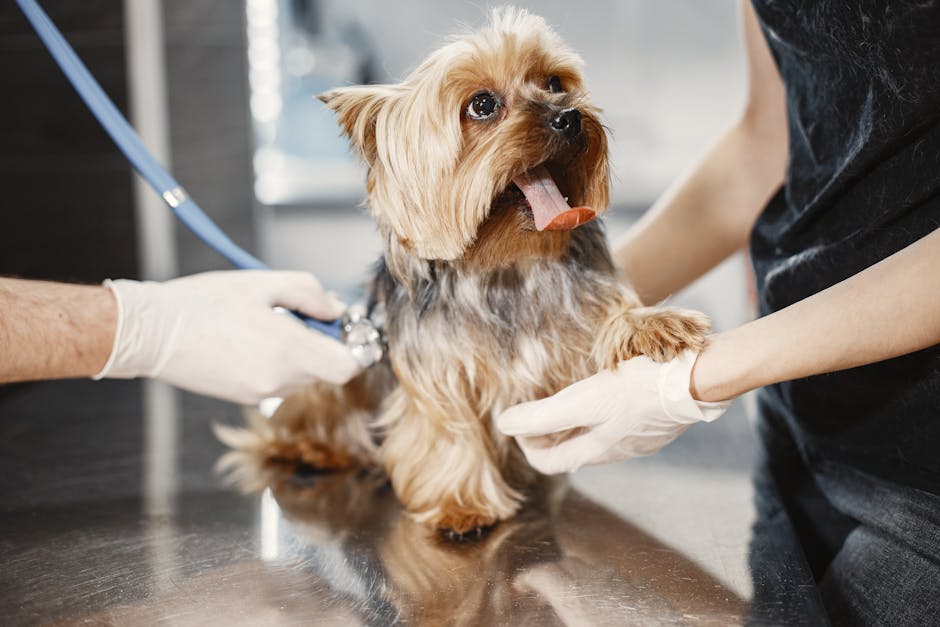
Living in Cedar Falls, IA, our pets are cherished members of the family, often accompanying us on walks along the Cedar Valley trails, picnics at George Wyth State Park, or lounging in backyards. With so much to explore, however, our curious companions sometimes get into things they shouldn’t—especially when it comes to foods, plants, and chemicals that can be toxic. Knowing what to do if your pet eats something toxic can make all the difference in an emergency.
Immediate Steps After Your Pet Eats Something Toxic
- Stay calm to avoid panicking your pet.
- Remove any remaining toxic material from your pet’s mouth if safely possible.
- Prevent other pets from accessing the same substance.
- Safely collect the container, packaging, or plant for identification.
- Do not induce vomiting unless instructed—some substances can do more harm coming back up.
When to Call a Veterinarian in Cedar Falls
If you suspect your dog, cat, or other animal has ingested something harmful, don’t wait. Contact your local veterinarian immediately. Cedar Falls residents can reach out to clinics such as Cedar Valley Veterinary Center or look for emergency services in nearby Waterloo. Relaying relevant details quickly will help:
- What your pet ate (be specific: chocolate, plant, medication, etc.)
- How much was consumed and when
- Your pet’s size, breed, and age
- Any symptoms your pet is showing (vomiting, drooling, lethargy, tremors)
If it’s after-hours, contact the ASPCA Animal Poison Control Center at 1-888-426-4435 or Pet Poison Helpline at 1-855-764-7661. These services are available 24/7 and can provide crucial advice before you reach the clinic.
Common Toxins for Pets in Cedar Falls
Local lifestyle means our pets encounter unique risks. Some of the most common toxins in Cedar Falls homes, yards, and parks include:
- Foods: grapes, raisins, onions, garlic, chocolate, macadamia nuts, and sugar-free gum (xylitol)
- Medications: painkillers, antidepressants, ADHD medications, and even vitamins
- Plants: lilies (especially dangerous for cats), tulips, daffodils, and sago palm
- Household chemicals: antifreeze (even a small amount is fatal), rodenticides, pesticides, and certain cleaning products
- Lawn fertilizers and weed killers: These are common after spring cleanups in Cedar Falls yards and parks
Specific Cedar Falls Hazards
The seasons in the Cedar Valley can pose unique dangers. For example, antifreeze leaks are more common in winter, and pets may encounter mushrooms or unfamiliar berries while hiking or exploring local trails in spring and fall. Always supervise pets closely in public, and keep yards pet-safe by promptly clearing spills and storing harmful items out of reach.
Symptoms of Pet Poisoning
Recognizing early warning signs is critical. Symptoms can develop quickly or gradually depending on the toxin. Watch for:
- Vomiting and diarrhea
- Excessive drooling
- Lethargy or agitation
- Rapid or irregular heartbeat
- Tremors, seizures, or collapse
- Difficulty breathing
- Pale or yellow gums
If you notice any of these, seek help immediately, even if you’re unsure what your pet consumed.
What NOT to Do
Many pet owners panic after a poisoning incident, but certain actions can make things worse:
- Do not induce vomiting without veterinary direction—some household cleaners, caustics, and necessary medications can cause additional harm.
- Avoid giving home remedies or activated charcoal unless directly instructed.
- Never wait for symptoms to appear; early intervention saves lives.
How Cedar Falls Veterinarians Treat Toxicity
Treatment depends on what your pet ingested and how recently. At local clinics, a veterinarian may:
- Induce vomiting (if appropriate and safe)
- Administer activated charcoal to absorb toxins
- Provide IV fluids to support kidneys and flush toxins
- Monitor heart rate, breathing, and neurological status
- Treat individual symptoms (e.g., anti-seizure, anti-nausea meds)
- Hospitalize your pet for supportive care if necessary
Bring all relevant packaging or samples—the more info, the faster your vet can respond.
Preventing Pet Poisonings in Your Community
Cedar Falls is a pet-friendly city, but prevention is key to keeping pets safe:
- Store all medications, foods, and chemicals securely.
- Clean up spills immediately and dispose of trash in pet-proof bins.
- Know which plants in your yard or at city parks are toxic, and avoid planting them or keep pets away.
- Supervise your pet during walks and hikes, especially in popular recreation spots.
- Educate children not to share food or let pets nibble on unknown items.
Resources for Cedar Falls Pet Owners
For immediate help, call your regular veterinarian or one of the following:
- Cedar Valley Veterinary Center: [Local contact info]
- Cedar Bend Humane Society (for additional advice): [Local contact info]
- Pet Poison Helpline: 1-855-764-7661
- ASPCA Poison Control: 1-888-426-4435
Many Cedar Falls vets also have after-hours emergency numbers, so keep these on your fridge or in your phone.
Final Thoughts
Nothing is scarier than seeing your beloved pet in distress. In a vibrant, pet-loving town like Cedar Falls, quick action and preparation are vital if your pet eats something toxic. Keep vet numbers handy, familiarize yourself with common hazards, and remember: prompt veterinary attention gives your pet the best chance of a healthy recovery. Always err on the side of caution—when in doubt, reach out to your local vet or a poison control expert.