

 See My Latest Article on HelloNation
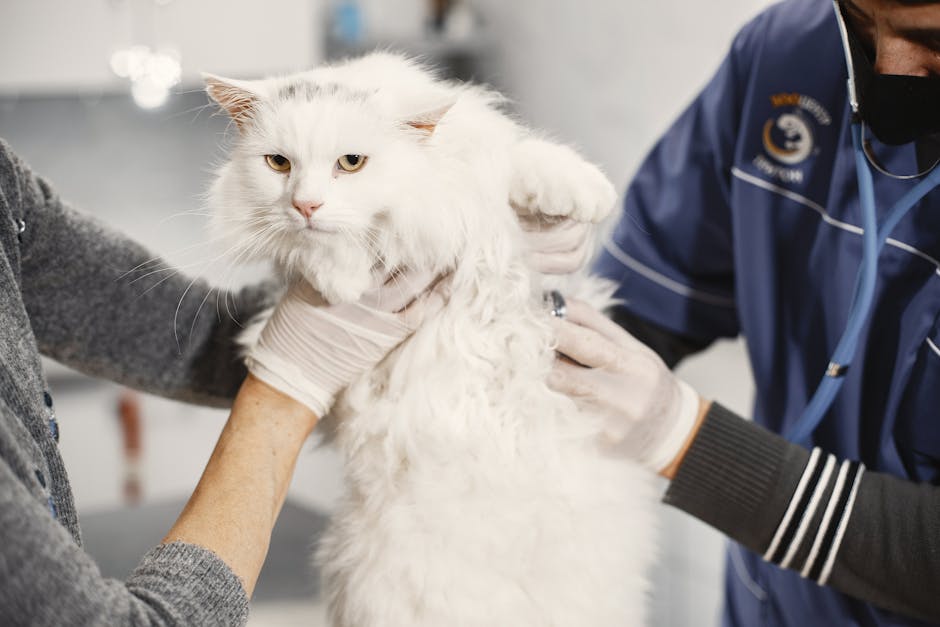
As a cat owner in Cedar Falls, IA, you know how important it is to keep your feline friend healthy and happy. Cats are masters at hiding illness, which can make spotting the early signs of trouble a real challenge. Whether your cat is mostly indoors, enjoys occasional adventures in one of Cedar Falls’ many parks, or snoozes by the window watching squirrels, being tuned in to their health is crucial for their wellbeing.
This guide covers the most common signs of illness in cats, relevant for families across Cedar Falls and beyond. If you recognize any of these symptoms in your cat, it’s always best to consult your veterinarian sooner rather than later. Early intervention can make a world of difference.
Why Are Cats So Good at Hiding Illness?
Cats, by nature, are both predators and prey. Over centuries of evolution, they've learned to mask pain or weakness—meaning subtle shifts in behavior are often the only hints they give when feeling under the weather. In a place like Cedar Falls, where cats might regularly interact with other animals or spend time outdoors, these subtle cues can be easy to miss amid the daily hustle.
Top 10 Common Signs of Illness in Cats
1. Changes in Appetite or Thirst
- Eating significantly more or less than usual
- Sudden weight gain or loss
- Drinking more water (or less) than is typical
Shifts in appetite or water intake are some of the earliest—and most easily noticed—signs your Cedar Falls cat might not be feeling well.
2. Lethargy or Reluctance to Move
- Sleeping more than usual (even for a cat!)
- Lack of interest in play, exploration, or interacting with family
Especially in active cats who enjoy exploring local areas, abrupt lethargy should raise red flags.
3. Vomiting or Diarrhea
- Recurring or persistent episodes
- Blood in vomit or stool
While an occasional hairball isn’t unusual, repeated vomiting or diarrhea often means something more serious is going on, such as an infection, toxin ingestion, or organ disease.
4. Changes in Urination
- Straining to urinate or crying out in the litterbox
- Frequent trips to the box with little or no output
- Accidents outside the litterbox
Problems with urination are emergencies in cats. This is especially concerning in male cats, who are at higher risk of life-threatening blockages.
5. Respiratory Symptoms
- Sneezing, coughing, or nasal discharge
- Labored or rapid breathing
- Open-mouth breathing (this is always urgent in cats)
Outdoor cats in Cedar Falls can pick up respiratory infections more easily. Keep an eye out for cold-like symptoms, especially after playing in parks or around other animals.
6. Poor Coat Condition or Excessive Grooming
- Unkempt, matted, or greasy fur
- Bald patches or wounds from over-grooming
A healthy cat keeps their coat shiny and smooth. If your cat’s fur looks ragged, or if they’re grooming less or more than usual, this may indicate pain, skin issues, or other illnesses.
7. Changes in Behavior or Vocalization
- Hiding more often, especially if your cat is normally social
- Sudden aggression or irritability
- Excessive or unusual vocalizing
Behavior changes often go unnoticed but can be key clues in identifying illness.
8. Bad Breath or Dental Issues
- Strong mouth odor
- Drooling or difficulty eating
- Red or swollen gums
Dental disease is common, especially in older Cedar Falls cats, and can lead to major health issues if left untreated.
9. Limping or Difficulty Moving
- Limping after a day outside or roughhousing indoors
- Reluctance to jump or climb as usual
Sudden lameness can signal injury, arthritis, or underlying illness.
10. Swelling, Lumps, or Wounds
- Unhealed wounds, especially after time outdoors
- New lumps or bumps under the skin
Outdoor cats in Cedar Falls occasionally get into scrapes with other animals. Any swelling or wounds should be checked by a veterinarian to prevent infection.
What Should I Do If My Cat Shows These Signs?
If you observe any of these symptoms, schedule a visit with your local veterinarian as soon as possible—even if your cat still acts “mostly normal.” Cats can deteriorate quickly, and prompt care is key.
For emergencies, such as difficulty breathing, inability to urinate, persistent vomiting/diarrhea, or inability to move, seek immediate veterinary care. Cedar Falls has several animal clinics ready to help in urgent situations.
How Can Cedar Falls Cat Owners Help Their Cats Stay Healthy?
- Schedule yearly wellness exams—regular check-ups are critical for catching problems early.
- Keep up with vaccinations and parasite prevention.
- Monitor your cat’s weight and eating habits.
- Provide clean water and a balanced diet.
- Keep your cat’s environment as stress-free as possible, watching out for triggers specific to your home or neighborhood.
- Maintain a clean litterbox—especially important during muddy Iowa spring months, when outdoor cats may track debris indoors.
If your cat enjoys outdoor activities around Cedar Falls, consider microchipping and regular flea/tick prevention. High-traffic parks, riverfront areas, and the beautiful University of Northern Iowa campus are lovely for people but may present more risks for adventurous felines.
Conclusion
Caring for a cat in Cedar Falls is rewarding, but it requires vigilance. Cats are often silent about their illnesses, so being an attentive owner is the very best way to protect your companion. Watch closely for these common signs of illness, trust your instincts, and when in doubt, reach out to a local veterinarian. Your quick action—and a supportive Cedar Falls community—will make all the difference in your cat’s life and well-being.