

 See My Latest Article on HelloNation
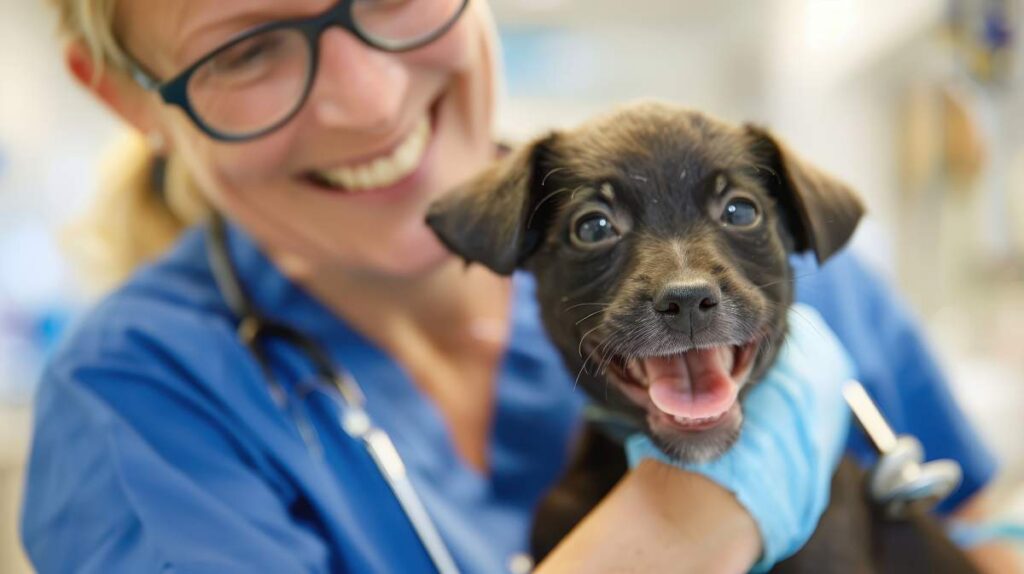
Why Should Cedar Falls, IA Pet Owners Have a First Aid Kit?
Pet emergencies can happen quickly—during a walk through local parks, along neighborhood streets, or even in backyards with native wildlife or unpredictable weather. Having a first aid kit for pets means being prepared to manage minor injuries, stabilize your animal after an accident, or respond with confidence until professional veterinary care becomes available. For residents of Cedar Falls, a tailor-made kit also accounts for local risks, such as ticks during summer and icy slips in winter.
What Should You Include in a Pet First Aid Kit?
A well-stocked kit covers basic care, wound management, and sudden illness. At minimum, it should contain:
- Gauze pads (non-stick) and adhesive tape for wound dressing
- Clean cloth or bandages to help control bleeding or create a makeshift muzzle
- Antiseptic wipes or saline solution for gentle wound cleaning
- Tweezers for removing splinters or ticks
- Blunt-tipped scissors for cutting bandages or fur safely
- Digital thermometer (rectal type is most accurate for pets)
- Instant cold packs for swelling, wrapped in fabric before use
- Disposable gloves for your protection
- Small flashlight for checking eyes or mouth in dim lighting
- Alcohol wipes for cleaning instruments (not for use on animals themselves)
- Syringe (no needle) or turkey baster for flushing wounds or administering oral fluids
- Towels or soft blankets (for restraint, warmth, or carrying injured pets)
- Muzzle or strips of gauze (never use if breathing is impeded)
- Copies of pet vaccination and medical records
- Emergency contact information for your veterinarian and the nearest after-hours animal hospital
Items specific to Cedar Falls, such as ice melt safe for paws or protective booties for outdoor winter activities, are also useful for seasonal readiness.
Are Human First Aid Supplies Safe for Pets?
Some supplies—like gauze, saline, and cold packs—work for both humans and animals. However, avoid human medications; even common drugs like ibuprofen, acetaminophen, or topical creams can be dangerous for pets. Items such as adhesive bandages (like band-aids), hydrogen peroxide, or certain ointments should only be used if approved by a veterinarian. Cedar Falls households are best served by assembling a pet-specific kit and clearly labeling it.
How Can You Organize and Store the Kit Effectively?
Store your pet first aid kit in a durable, water-resistant container. Choose a spot that’s easy to grab in a hurry—by an entryway, in a mudroom, or with other emergency supplies. During outdoor activities, such as walks along the Cedar Valley Nature Trail, consider packing a smaller version with just the essentials (gauze, tweezers, saline, bandage).
Label the kit clearly and periodically check contents to replace expired items and replenish supplies after use, especially following a season with frequent outdoor hazards.
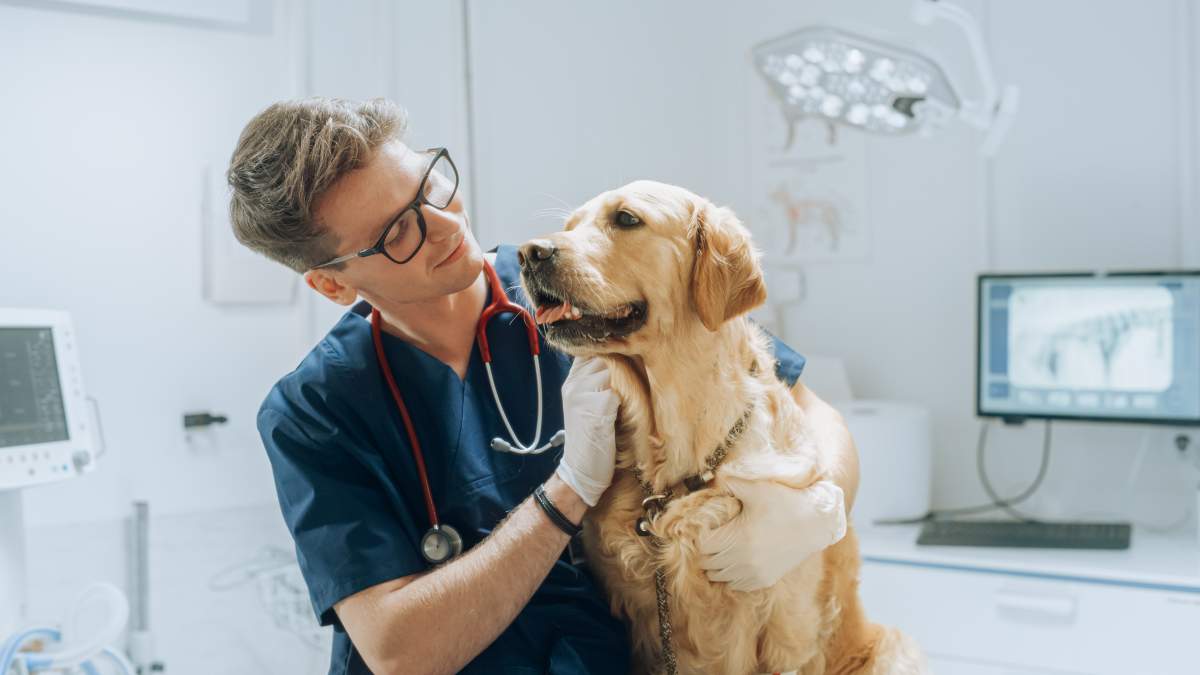
What Local Hazards Should Cedar Falls Pet Owners Prepare For?
The community’s mix of green spaces, river areas, and changing weather means pets might encounter:
- Ice, snow, and road salt during winter, causing paw injuries or chemical exposure
- Common ticks and mosquitoes from spring through early fall, which may transmit diseases
- Lawn and garden chemicals after local yardwork
- Exposure to native wildlife or biting insects
Consider including paw balm, protective booties, and a tick removal tool. Also, keep animal poison control numbers handy in case of accidental ingestion of harmful substances, which can happen with increased use of fertilizers or de-icing agents in area neighborhoods.
How Often Should You Update Your Pet First Aid Kit?
Check your supplies seasonally or whenever your pet’s health needs change. Replace any used items right away and check expiration dates on medications, ointments, and saline. Refresh records if you move or change veterinarians in Cedar Falls. This routine can make a real difference in an emergency.
What Common Mistakes Should Be Avoided?
- Mixing pet and human medicines together
- Storing kits out of easy reach or in seldom-used locations
- Forgetting to include medical records or emergency contact info
- Relying solely on a kit for serious injuries—always seek professional veterinary help for anything beyond minor wounds or first response care
Owning a pet first aid kit does not replace professional care, but it can provide comfort, prevent complications, and help local pet owners feel better equipped to assist their animals in everyday living or unexpected crises.