

 See My Latest Article on HelloNation
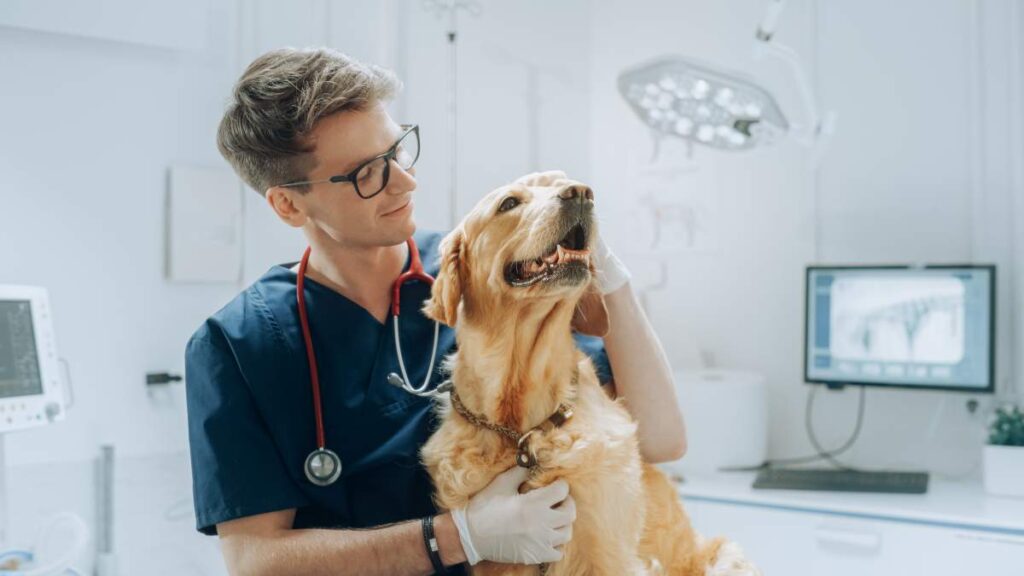
Why Are Routine Checkups Important for Area Pets?
Routine veterinary checkups help keep pets in the Cedar Falls, IA area healthy through early detection, prevention, and guidance tailored to local living conditions. Regular exams can spot subtle signs of health changes that families might not notice at home, especially as pets age, adjust to seasonal changes, or encounter environmental risks typical in this region. These visits also allow residents to ask questions specific to the area's climate, pet behaviors, or local plants and pests.
What Can You Expect During the Appointment?
A typical visit begins with a review of your pet’s health history and any recent changes. The veterinarian or technician will often ask about diet, activity, appetite, drinking habits, bathroom routines, and any behaviors that seem out of the ordinary. Even small changes—like new lumps or extra shedding—are relevant.
Physical exams usually include:
- Temperature check
- Weight and body condition assessment
- Listening to the heart and lungs
- Examining eyes, ears, teeth, and mouth
- Checking skin and coat for parasites, rashes, or dryness
- Gentle feeling along the belly and limbs for discomfort or swelling
These steps are especially valuable in a climate like Cedar Falls, where pets may experience dry skin in winter or pick up ticks outdoors.
Are Any Tests or Vaccinations Involved?
Annual wellness visits often include routine testing and vaccinations based on your pet’s age, needs, and lifestyle. For dogs and cats in Cedar Falls, this can mean:
- Annual vaccinations, like rabies or distemper, as required or recommended by law and local pet health trends
- Heartworm testing and prevention guidance, since area pets can be exposed to mosquitoes in warmer weather
- Fecal exams to check for intestinal parasites (more common if pets spend time outdoors or visit local parks)
- Blood work to monitor organ function, especially in senior pets
Puppies, kittens, and older pets may need additional visits or follow-up shots, which a veterinarian will explain in more detail.
What Health and Lifestyle Topics Are Discussed?
Beyond exams, many checkups serve as a Q&A session for local pet owners’ daily challenges. Expect conversation on:
- Nutritional advice, adjusted for activity, age, or breed
- Behavior concerns, such as barking, scratching, or anxiety from seasonal storms
- Recommendations for pest control, like safe tick or flea preventatives, based on local risks
- Dental care, including when a cleaning might be beneficial
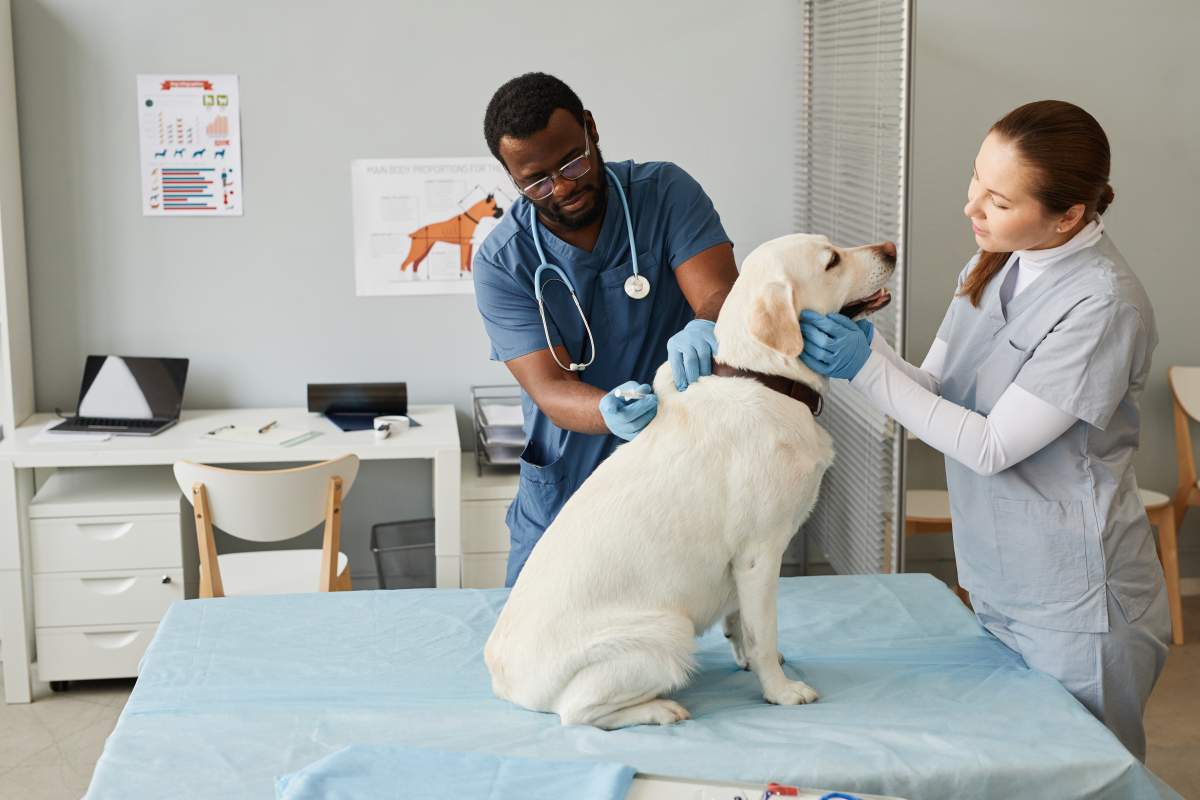
Questions about exercise routines are also common, especially for families adjusting walks or playtime during Cedar Falls’s colder months or rainy spring seasons.
What’s Different for Puppies, Kittens, or Senior Pets?
Young and senior pets often require special attention due to rapid changes or chronic issues.
- Puppies and kittens need multiple early visits for a full vaccine schedule and early parasite prevention.
- Senior pets may need more frequent checkups to monitor arthritis, dental wear, or organ health. The vet may recommend additional blood tests or discuss mobility aids suitable for local home environments—such as carpeted stairs or icy walkways.
How Long Does a Standard Checkup Take?
Routine exams for healthy pets typically last about 20 to 40 minutes. Visits may be longer if your pet has chronic health issues, needs extra testing, or if families have multiple questions about care. Allow some extra time, especially during busier seasons like spring or fall, when local clinics see an increase in wellness visits.
How Can Local Families Prepare Their Pets for the Visit?
Ease pre-visit stress by getting pets comfortable with carriers, leashes, and gentle handling at home. Bringing a familiar blanket or toy can help anxious pets relax in unfamiliar settings. If there are health updates since the last visit—such as medication changes or incidents—make a note before arriving. In the winter, check paws for ice or salt before heading out, as these can affect comfort during the exam.
Are There Common Misconceptions About Routine Exams?
Many pet owners assume yearly checkups are only necessary for sick animals, but these visits are designed to prevent illness before it takes hold. Another frequent misconception is that indoor pets are safe from parasites; however, in Cedar Falls many parasites can still be encountered on walks, in yards, or when traveling between seasonal locations around the community.
Some residents believe vaccines can be skipped if their pets aren’t social, but local regulations and wildlife exposure mean that updated immunizations remain essential.
What Happens After the Visit?
Most pets return home ready to resume normal activities immediately. The veterinarian will summarize findings, note any next steps, and provide copies of records which may be helpful for registering pets with local licensing agencies or for travel. If ongoing health concerns are identified—such as weight management, dental care, or behavioral issues—further guidance or additional monitoring might be discussed.
Checkups serve as both a health measure and a resource for local households navigating the joys and challenges of pet ownership in and around Cedar Falls.