

 See My Latest Article on HelloNation
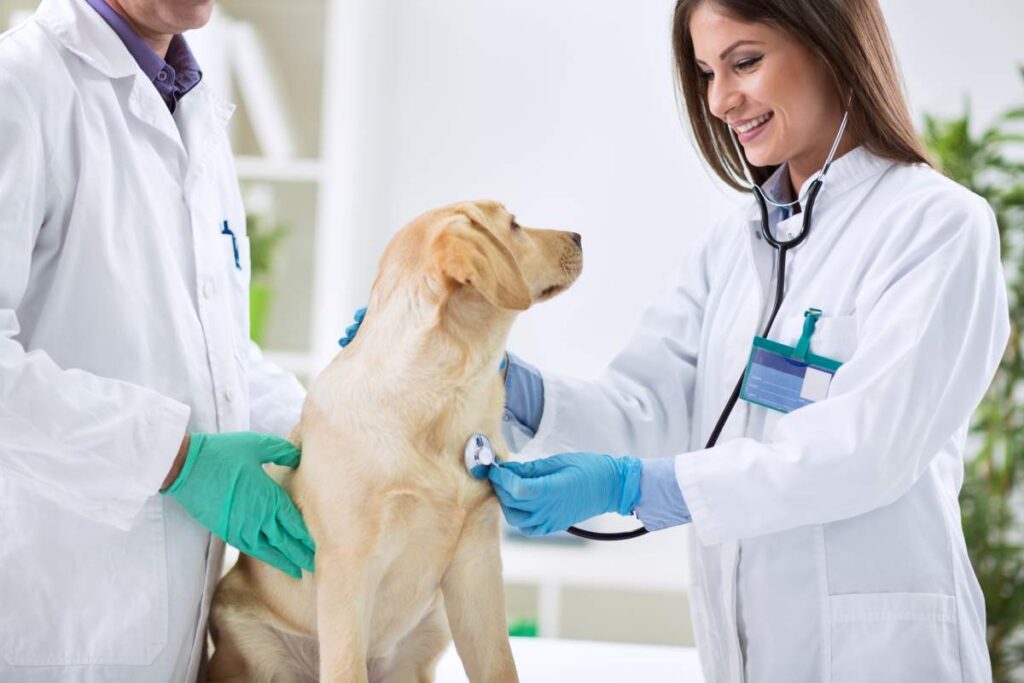
Why Do Pets Feel Anxious About Vet Visits?
Pets commonly experience anxiety around veterinary visits due to unfamiliar sounds, smells, and handling. Most animals interpret the vet’s office as a place of uncertainty—new people, new routines, and sometimes discomfort. In Cedar Falls, where pets may enjoy a quieter, home-centered life, these abrupt changes can feel particularly taxing.
Sensitivities can vary between dogs, cats, and small mammals, but local households notice both physical signs like shaking or hiding and behavioral changes such as vocalizing or trying to escape. Understanding that pets are reacting to stress—not just “being difficult”—helps set the stage for supportive care.
How Can Residents of Cedar Falls, IA Prepare Pets Before Leaving Home?
Preparing before the visit usually makes the experience smoother for pets and owners in the area. Start by helping your pet recognize that their carrier or leash does not always lead to a stressful event.
- Leave carriers or crates open in a common area so pets can explore them at their own pace
- Place familiar bedding or a favorite toy inside
- Practice short car rides for animals not used to traveling—gradually increase the time and reward calm behavior
For cats, spraying an approved calming pheromone in the carrier 15-30 minutes before use is well-tolerated and may reduce stress. For dogs, try brief “practice visits” in and out of the car or walking near the vet's location, especially if you’re new to the city’s roadways or seasonal weather patterns.
What Should I Bring to a Vet Appointment in Cedar Falls?
Bring essentials to make the visit smoother, especially in a city with fluctuating seasons and outdoor allergens.
- Your pet’s current identification and vaccination records
- Notes about any symptoms or recent changes in your pet’s health or behavior (helpful for those adjusting to seasonal changes in Cedar Falls)
- A favorite blanket, toy, or treat for comfort in the waiting area
- Leash, harness, or secure carrier (cleaned and ready)
- Waste bags or disposable pads, especially after a long drive across town
Owners with pets sensitive to local spring pollen or winter cold may want to bring a light covering or towel in the carrier during walks to and from the waiting area.
How Can You Reduce Stress During the Trip to the Clinic?
Keep trips as calm and predictable as possible. Minimize loud music, avoid rush-hour traffic, and keep windows up on windy or dusty days, all of which are common in the area’s transitional weather periods.
If you need to wait in the car before the appointment, monitor the temperature closely. Neither hot summers nor brisk winters in Cedar Falls are safe for pets left unattended, even for brief periods. If your pet is sensitive to new sounds, play soft music or use a white noise machine to block startling traffic or construction noise.
What Should You Expect at the Clinic?
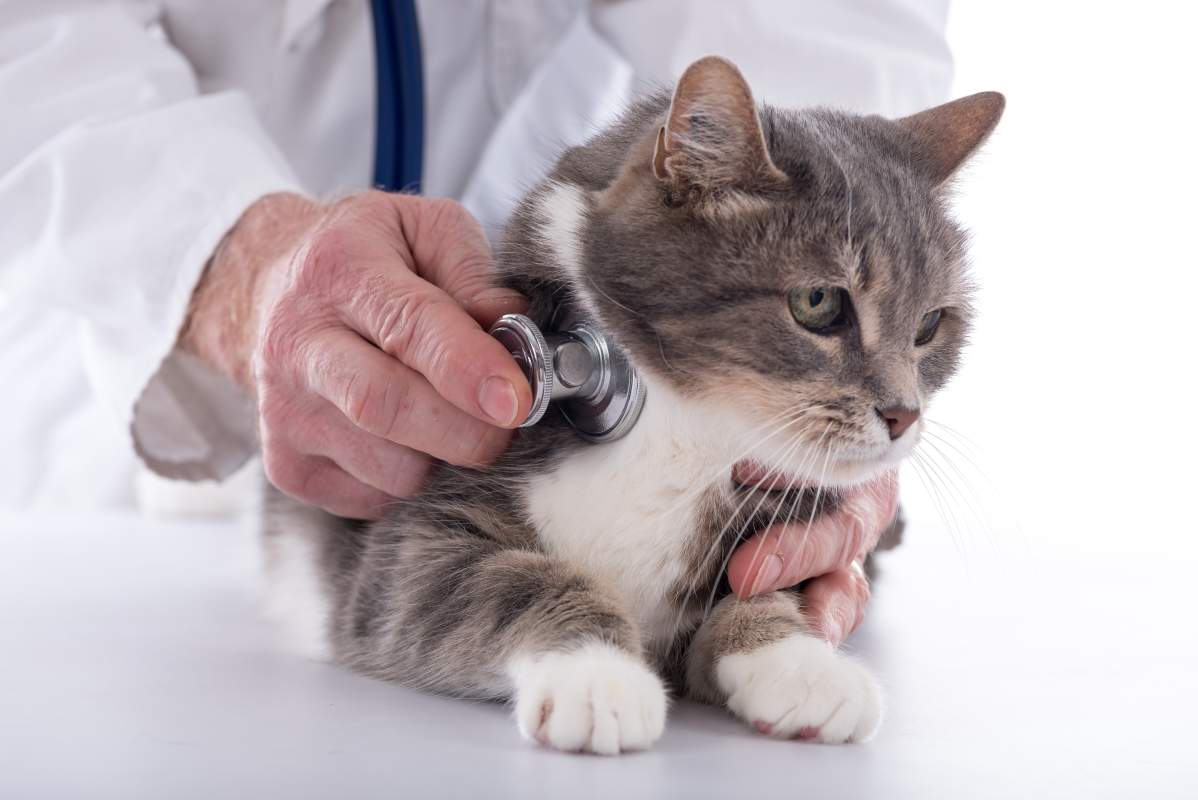
Veterinary offices are busier in the evenings and weekends; quieter times might be better for pets with high anxiety. Upon arrival, you can inform the staff if your pet is particularly fearful—many practices allow nervous pets to wait in the car until a room is available, which helps reduce sensory overload from other animals.
In the examination room, remain calm and speak to your pet using your typical tone. If your animal is trained to sit, lie down, or follow simple commands, encourage this behavior for extra reassurance.
For those new to pet ownership in Cedar Falls, remember: veterinarian staff are used to handling nervous animals. They have strategies for gentle restraint, distraction, and calming that protect both pets and people, regardless of experience level.
What Are Common Misconceptions About Veterinary Visits?
A frequent misunderstanding is that stress at the vet reflects poor training or a lack of discipline. In reality, even well-socialized pets can feel vulnerable. Pupils may dilate, tails may drop, or typical commands may be ignored—not because pets are being “bad,” but because stress responses are overwhelming.
Another overlooked factor: in a family-centered city like Cedar Falls, cats especially may rarely leave the home, amplifying anxiety when they finally do. Adapting expectations and using gradual training helps prevent negative associations long-term.
How Can You Help Pets Recover After a Vet Visit?
Many pets benefit from a low-key afternoon following a vet trip. Let your pet explore the house at their own pace, offer quiet spaces, and avoid big gatherings or unusual activity for the rest of the day.
For dogs who enjoy the outdoors, a calm neighborhood walk can help discharge nervous energy. For indoor cats, consider play with a favorite toy or familiar scratching post. Watch for signs of lingering distress—hiding, reduced appetite, or unusual aggression—and give pets extra time to settle in, especially after longer or more intensive visits.
When Should You Seek Special Training for Vet Visits?
Most pets adapt well over time, especially when owners use positive reinforcement and start early with kittens and puppies. However, some animals have intense anxiety that disrupts care or physical safety. Very fearful pets—those that bite, panic, or harm themselves—may require special behavioral support.
If you feel unsafe or unable to complete basic care, especially after trying gentle home training, discuss behavior concerns with a veterinarian or a recognized animal behaviorist.
Are There Local Considerations for Seasonal or Outdoor Pets?
With Cedar Falls’ variable climate, dog owners may need to prepare for icy sidewalks, muddy paws, or pollens that aggravate allergies on the way to an appointment. Consider wiping paws before entering a carrier or the waiting room to avoid tracking in debris. In spring and fall, extra time may be required for anxious pets that react to outdoor noises, wildlife, or equipment along walking routes.
Indoor pets, especially those who see carriers only for trips to the vet, benefit from monthly “practice visits” to the garage or car, which limits stress when the real trip arrives.