

 See My Latest Article on HelloNation
How Often Do Pets Need Veterinary Visits in Cedar Falls, IA?
Most pets in Cedar Falls should see a veterinarian at least once a year for a wellness exam, but age, species, and health status can change this schedule. Annual checkups help monitor your pet’s overall health, update vaccinations, and catch potential issues early—especially given the local climate and common household hazards in the area.
Local cats and dogs often lead indoor or mixed indoor-outdoor lifestyles, so routine evaluations are key for detecting problems that may not be obvious until they are advanced.
Why Do Annual Checkups Matter for Area Pets?
Annual visits serve as both a preventive measure and a baseline assessment. For healthy adult pets, these checkups are the main opportunity to identify problems early—such as dental disease, weight changes, or parasites. In Cedar Falls, fluctuations in weather can affect flea, tick, and mosquito activity, making regular preventive care extra important.
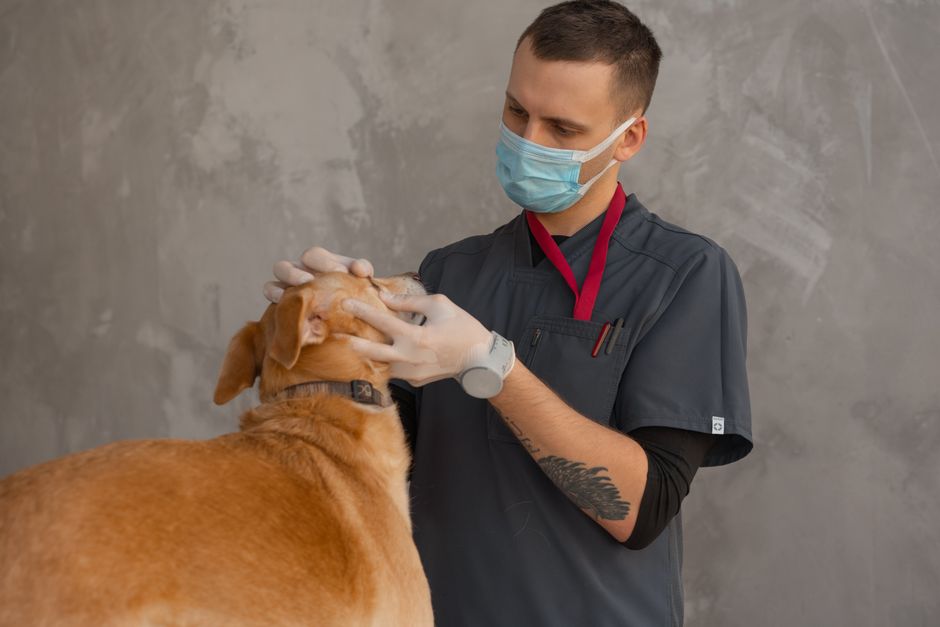
During a typical exam, vets may:
- Check weight, vital signs, and body condition
- Examine teeth, ears, skin, and coat
- Listen to the heart and lungs
- Discuss diet, activity, and behavior
- Update core and regional vaccines
- Test for parasites, especially with changing seasons
This approach helps local families keep pets healthy and avoid emergencies that might result from unrecognized changes.
Are Puppies, Kittens, and Senior Pets on a Different Schedule?
Yes. Young and older pets require more frequent visits due to rapidly changing health needs.
*Puppies and kittens*: Most local veterinarians recommend visits every 3–4 weeks between 6 and 16 weeks of age. These visits often include a series of vaccinations, parasite checks, and health counseling tailored to the area’s disease risks, such as heartworm and Lyme in dogs.
*Senior pets*: Once pets reach 7 years (sooner for some breeds), every 6-month checkups are generally advised. Age-related changes can happen quickly, and more frequent exams help monitor mobility, organ function, dental health, and nutrition—especially valuable in the fluctuating weather and environmental conditions of Cedar Falls.
What About Pets With Chronic Health Conditions?
For animals with chronic issues like diabetes, kidney disease, or allergies, visits may be needed every 3-6 months or as directed by a veterinarian. Changes in activity or symptoms—such as excessive drinking, new lumps, or worsening skin problems—should prompt a visit outside the normal schedule.
In Cedar Falls, local variables such as wintertime ice-melting chemicals, springtime pollen, and tick-heavy summers can all worsen chronic conditions, so routine check-ins and adjustments to medications are often part of care plans.
Which Pets Need More Frequent Checkups?
Some types of pets need non-standard veterinary routines, depending on their species, age, and specific needs:
- Outdoor dogs: Local dogs who spend much time outside can be exposed to ticks, mosquito-borne diseases, and injuries, so more frequent check-ins during tick season can be useful.
- Cats who roam: Cats allowed outdoors in the community might require semi-annual visits to check for parasites, wounds, or infectious diseases.
- Exotic or small mammals: Rabbits, guinea pigs, and other small pets should typically be seen annually, though illness or sudden changes in behavior require prompt evaluation.
Are Vaccinations and Preventatives Given on Set Schedules?
Vaccination schedules vary by pet, but most need boosters for rabies and other core diseases every 1–3 years. Local area veterinarians will adjust timing based on your pet’s risk profile, lifestyle, and travel. Preventive medications for fleas, ticks, and heartworms are especially relevant in Iowa, as pest activity is extended by spring and summer humidity.
What Signs Mean a Pet Should See a Veterinarian Soon?
Beyond routine care, watch for these signs in pets that may indicate illness or injury:
- Loss of appetite or sudden weight gain/loss
- Vomiting or diarrhea lasting more than a day
- Persistent coughing or heavy breathing
- Limping, difficulty getting up, or stiffness
- Unusual lumps, bumps, or skin changes
- Sudden behavioral changes, hiding, or aggression
Local climate factors—like icy sidewalks in winter and grass allergens during seasonal transitions—can trigger some of these symptoms. When in doubt, a prompt checkup can prevent more serious issues.
What Common Misconceptions Do Residents Have?
A few recurring myths can impact pets’ health in Cedar Falls:
- Believing that indoor-only pets never need exams or vaccines
- Assuming pets only need to visit the veterinarian when sick
- Underestimating seasonal parasite or disease risks in Iowa’s climate
Regular preventive care, even for strictly indoor animals, is vital. Many diseases are not obvious until advanced, and prevention saves both cost and discomfort in the long run.
How Do Weather and Local Lifestyles Affect Veterinary Needs?
Cedar Falls experiences significant seasonal variation, which creates unique considerations. Tick and mosquito activity peaks from late spring through fall, so annual or bi-annual discussions on preventives are timely. Ice and snow in winter can cause paw injuries or arthritis flares, highlighting the importance of routine physical exams in both cold and warm months.
Outdoor recreation, popular in the community, also brings exposure to hazards like foxtails, waterborne organisms, and chemicals used on lawns and sidewalks. Regular vet visits ensure pets stay protected regardless of fluctuating risks.