

 See My Latest Article on HelloNation

Why Should You Brush Your Dog’s Teeth at Home?
Brushing your dog’s teeth at home helps prevent dental disease and maintains overall health. Many local households notice that tartar and gum issues in dogs can develop quietly—sometimes leading to pain or larger medical problems. Regular brushing reduces the risk of bad breath, tooth loss, and infections.
While professional dental cleanings can be necessary for some situations, most pets in Cedar Falls benefit greatly from a consistent at-home routine using just a few minutes each week.
What Supplies Do You Need for Brushing Your Dog’s Teeth?
A soft-bristled toothbrush designed for dogs and veterinary-approved toothpaste are typically recommended for use at home. Human toothpaste should never be used, as it can contain ingredients dangerous for animals.
For practical success, many local residents find the following items helpful:
- Dog-specific toothbrush (or finger brush)
- Dog-safe toothpaste, available in flavors appealing to pets
- A towel or non-slip mat if your pup tends to wiggle
- High-value treats for positive reinforcement
Some households use a child’s toothbrush with soft bristles in smaller breeds, but pay attention to your pet’s comfort and size.
How Do You Introduce Your Dog to Tooth Brushing?
Start slow—most dogs aren’t used to having their mouths handled. Over several days, rub your finger along your dog’s gums, reward with praise or a treat, and gradually introduce the toothbrush with a small amount of pet toothpaste.
Success comes with patience:
- Let your dog taste the toothpaste first—so they see it as a treat
- Gently touch their muzzle and lips so they become comfortable with mouth handling
- Try short sessions of a few seconds at first, slowly working up to longer brushing
Younger dogs or puppies often learn this routine faster, but even older pets living in Cedar Falls households can adapt with gentle practice.
What’s the Best Way to Brush Your Dog’s Teeth?
Brush lightly in circular motions along the gumline, focusing on the outer surfaces where most tartar gathers. Lift the lips and work from the back teeth toward the front, but don’t force your dog’s mouth fully open.
Tip for area residents: Many dogs tolerate brushing better if you pick a calm time of day, perhaps after exercise or play when energy levels are lower. Consistency and a relaxed approach can go a long way.
Aim for three times weekly, but even one or two sessions per week can provide noticeable benefits for most pets.
How Do You Overcome Common Challenges with Brushing?
Many people in the community find their dogs resist brushing at first. Most often, this relates to unfamiliar sensations, bad prior experiences, or anxiety. Here are a few approaches:
- Use a finger brush instead of a handle brush if your dog is small or especially nervous
- Try flavored toothpaste to make the experience more positive
- Break the brushing into very short sessions, rewarding each small success
- If your dog pulls away, pause and offer praise—build up gradually over time
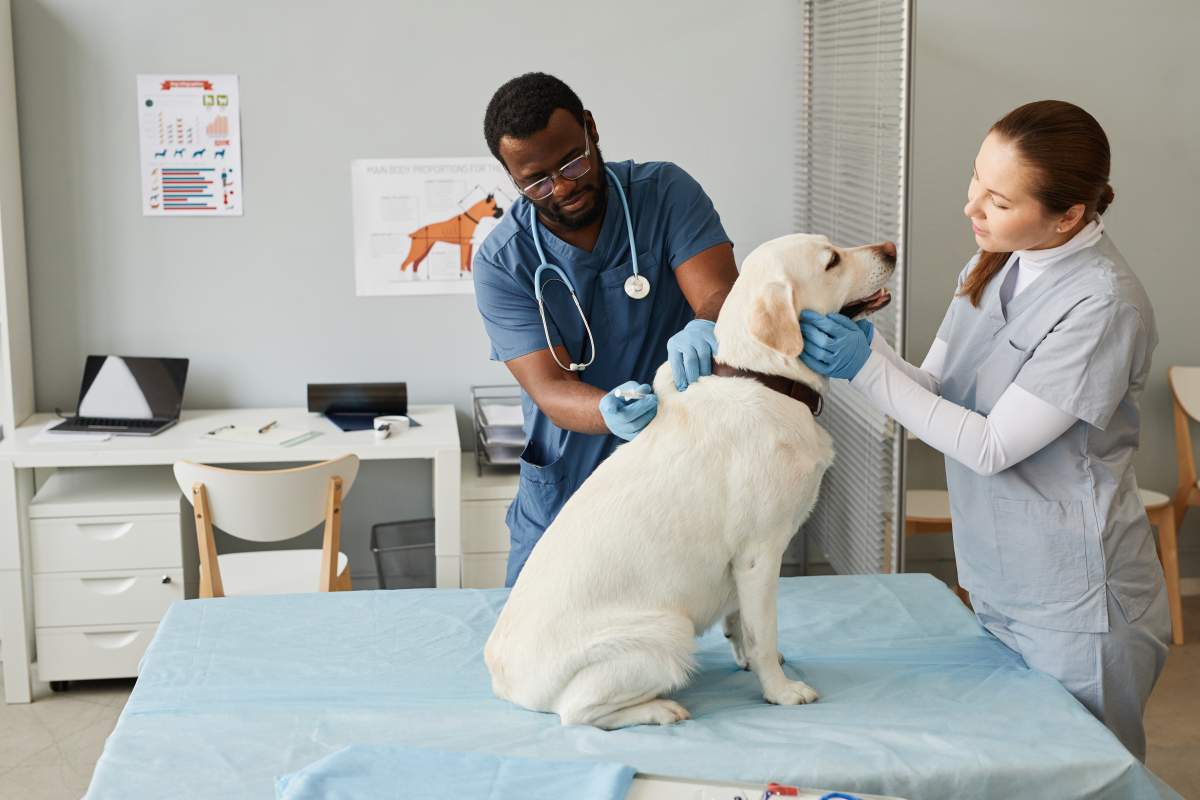
If home brushing is still too stressful despite efforts, other dental care options are available, but direct brushing is most effective for preventing plaque.
How Can Seasonal and Local Factors Affect At-Home Dental Care?
Residents in Cedar Falls face cold winters, making outdoor grooming routines less appealing. Brushing can be comfortably done indoors on a towel or in a favorite quiet room. Since local pets may spend more time indoors during colder months, this is a practical opportunity to establish or maintain routines.
Local water chemistry (often hard in this part of Iowa) doesn’t directly affect dog tooth health, but drier air in winter and heated homes may leave pets drinking less—so be sure they have fresh water available after brushing, too.
Are There Signs That a Dog Needs More Than Just At-Home Brushing?
While frequent brushing manages early tartar, watch for the following signs indicating that a trip to a veterinarian may be necessary:
- Bleeding gums, persistent bad breath or brown/yellow buildup on teeth
- Difficulty chewing or dropping food while eating
- Visible swelling around the mouth
In some cases, professional evaluation or treatment is the safest course if home care isn’t enough to control tartar or discomfort.
What are Common Misconceptions About Brushing a Dog’s Teeth?
Some local pet owners believe dry food alone keeps teeth clean, but kibble’s effect on dental health is limited. Others think small breeds don’t need brushing, but they’re actually more prone to dental disease.
Another myth is that dogs will outgrow resistance to brushing—most benefit from regular, positive exposure starting early, but any age can learn with gentle practice.