

 See My Latest Article on HelloNation

Rabies is a preventable viral disease that affects mammals, including dogs, cats, livestock, wildlife, and people. Although human rabies cases are rare in the United States, the disease is nearly always fatal after symptoms begin. Vaccination and prompt action after possible exposure are the main protections for pets and people. ([cdc.gov](https://www.cdc.gov/rabies/about/index.html?utm_source=openai))
What is rabies, and how does it spread?
Rabies attacks the central nervous system. It is usually transmitted when saliva or nervous tissue from an infected animal enters the body through a bite, scratch, open wound, or the eyes, nose, or mouth. A person generally cannot get rabies simply by being near an infected animal. ([cdc.gov](https://www.cdc.gov/rabies/hcp/veterinarians/index.html?utm_source=openai))
In the United States, bats, skunks, raccoons, and foxes are among the wildlife species most often associated with rabies. Domestic pets can become exposed when they chase, fight with, or mouth wildlife. An animal does not have to appear obviously ill at the time of contact to create a concern.
Area households may encounter wildlife around wooded edges, parks, creek corridors, outbuildings, garages, and other places where animals seek food or shelter. Pets that spend time outdoors should be supervised and kept away from wildlife, particularly animals that appear injured, unusually tame, active during abnormal hours, or unable to move normally.
Why is rabies vaccination necessary for dogs, cats, and ferrets?
Rabies vaccination protects the individual animal and reduces the chance that an exposure will become a human health emergency. A vaccinated pet is also more likely to have manageable quarantine or monitoring requirements after an exposure or bite, although public health officials still evaluate each situation individually.
Dogs, cats, and ferrets should receive rabies vaccination according to the product label, veterinary guidance, and applicable Iowa requirements. The timing of the first dose and later boosters can vary based on the animal’s age, prior vaccination history, vaccine duration, and health circumstances. Keeping a current vaccination record is just as important as receiving the vaccine.
A pet that is overdue may not be treated the same way as a pet that has never been vaccinated. Officials may consider the animal’s documented history, how long the vaccine has been overdue, the type of exposure, and whether the animal can be safely monitored. ([cdc.gov](https://www.cdc.gov/rabies/hcp/veterinarians/index.html?utm_source=openai))
Vaccination does not mean an animal can never be exposed or infected. Rare vaccine failures can occur, so a vaccinated animal that bites a person may still need observation. Vaccination greatly improves protection, but it does not replace responsible supervision.
Are rabies vaccines safe for pets?
Rabies vaccines are considered an essential part of preventive care for dogs, cats, and ferrets. Most reactions are mild and temporary, such as soreness, tiredness, or a small amount of swelling at the injection site. More serious reactions are uncommon but can occur.
After vaccination, watch for facial swelling, repeated vomiting, difficulty breathing, collapse, severe weakness, or other unusual signs. These symptoms require prompt veterinary attention. A pet’s medical history, age, pregnancy status, previous vaccine reactions, and current illness should be discussed before vaccination so the vaccination plan can be appropriate.
Skipping vaccination because a pet is mostly indoors can still leave the household unprotected. Indoor cats can encounter bats that enter homes, and dogs or cats may slip through doors, escape yards, or encounter wildlife unexpectedly.
What should residents do after a bite or scratch?
Wash the wound immediately with soap and running water for at least 15 minutes. Thorough wound cleaning can reduce the amount of virus introduced into the body, but it does not replace medical evaluation. ([cdc.gov](https://www.cdc.gov/rabies/when-to-seek-care/?utm_source=openai))
After washing the wound:
- Seek urgent medical guidance from a healthcare provider or public health authority.
- Report the incident to the appropriate local animal-control or public safety authority.
- Write down what happened, including the animal’s species, location, behavior, and whether the animal can be safely identified or confined.
- Do not attempt to capture, handle, or kill a strange or aggressive wild animal.
- If a pet was involved, gather its rabies certificate and vaccination history.
A bite is not the only possible exposure. Scratches contaminated with saliva, saliva contacting broken skin, and direct contact with a bat may require assessment. Touching an animal’s fur, being near wildlife, or finding tracks generally does not constitute a rabies exposure by itself.
Rabies post-exposure treatment for people may include wound care, human rabies immune globulin, and a series of rabies vaccines. The decision depends on the animal, the exposure, whether the animal can be observed or tested, and other details. Treatment should not be delayed while waiting for symptoms, because the vaccine is intended to prevent disease before symptoms begin. ([cdc.gov](https://www.cdc.gov/rabies/when-to-seek-care/?utm_source=openai))
What if a pet encounters wildlife?
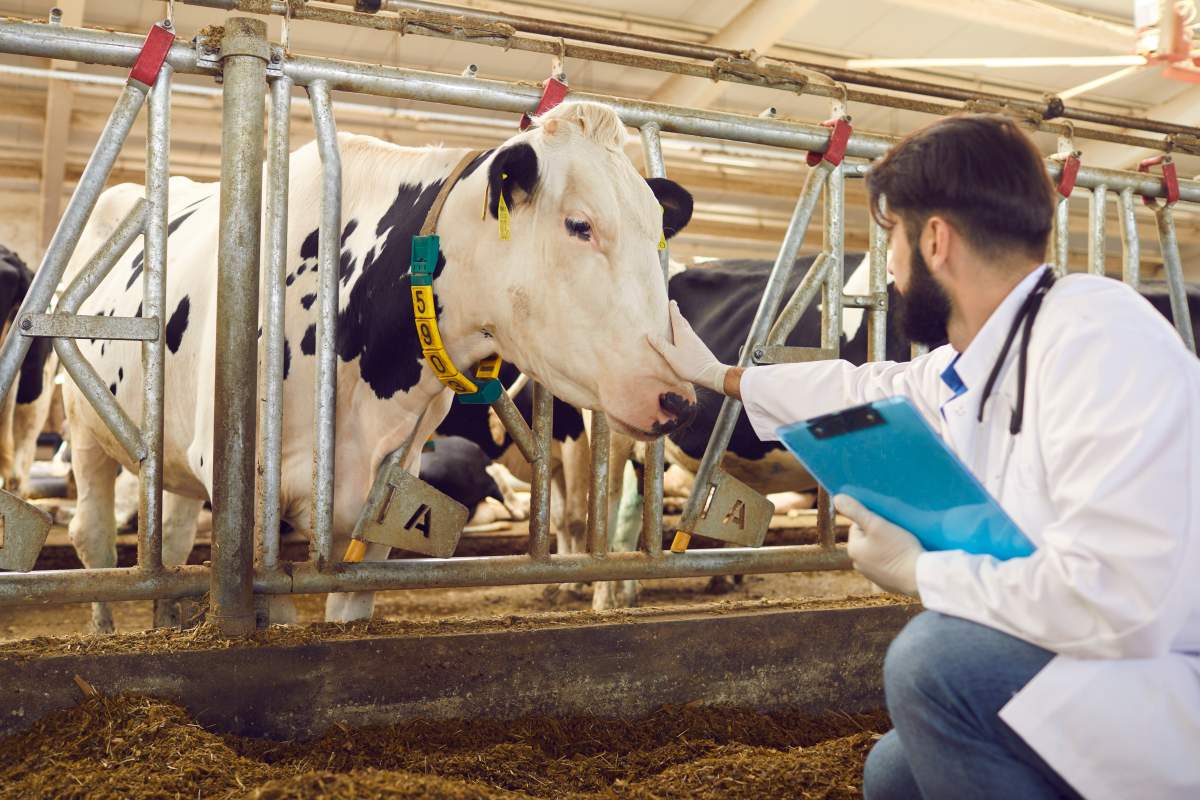
Do not handle the wildlife or inspect the pet’s mouth with bare hands. Separate the pet from people and other animals if this can be done safely, then seek veterinary and public health guidance.
Risk assessment may depend on whether there was a bite, whether saliva contacted a wound, the wildlife species involved, whether the wild animal is available for testing, and whether the pet’s rabies vaccination is current. Simply seeing a wild animal near a pet does not necessarily prove exposure.
For vaccinated dogs, cats, and ferrets with a confirmed or suspected exposure, guidance commonly includes an immediate booster and a period of owner-supervised monitoring. Unvaccinated animals may face much stricter quarantine requirements or other public health measures because vaccination after exposure cannot reliably prevent rabies from developing. ([cdc.gov](https://www.cdc.gov/rabies/hcp/veterinarians/index.html?utm_source=openai))
Can a healthy dog or cat that bites someone be observed?
Often, a healthy dog, cat, or ferret that bites or scratches a person can be confined and observed for 10 days in coordination with public health authorities. If the animal remains healthy throughout that period, it was not infectious with rabies at the time of the incident. Even vaccinated animals may need this observation period. ([cdc.gov](https://www.cdc.gov/rabies/hcp/veterinarians/index.html?utm_source=openai))
The animal should not be vaccinated during the observation period unless public health officials direct otherwise, because vaccine reactions could complicate interpretation of illness signs. A stray, unavailable, or visibly ill animal may require a different response, including testing or other measures determined by public health authorities.
How can households reduce rabies risk?
Practical prevention includes:
- Keep dogs, cats, and ferrets current on rabies vaccination.
- Supervise pets outdoors and use secure fencing or leashes where appropriate.
- Avoid feeding or approaching wildlife.
- Teach children never to touch bats, skunks, raccoons, foxes, or unfamiliar animals.
- Seal openings that allow bats or other wildlife to enter attics, garages, sheds, or living spaces.
- Do not leave pet food or unsecured garbage outside overnight.
- Contact animal-control or public safety authorities about sick, injured, unusually tame, or aggressive wildlife.
For Cedar Falls households, seasonal changes can increase encounters as wildlife searches for food, shelter, or denning areas. A current vaccination record and a plan for reporting bites or unusual animal behavior can make an uncertain situation easier to manage.