

 See My Latest Article on HelloNation
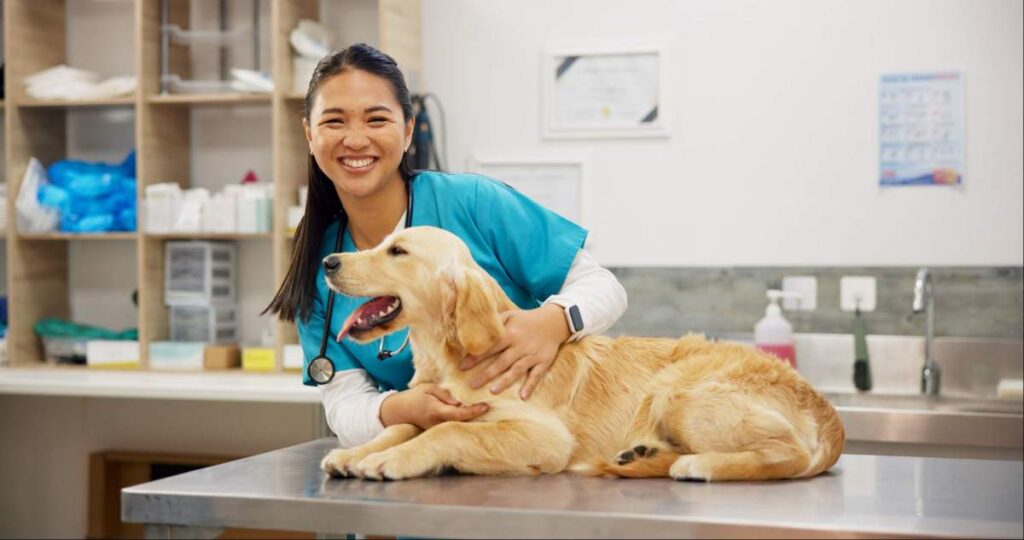
Dogs do not all need the same amount of exercise. A young herding breed, an adult mixed-breed dog, and an older dog with arthritis may live in the same household area but require very different activity plans.
For residents of Cedar Falls, IA, exercise routines also have to adapt to changing seasons, icy sidewalks, humid summer days, and the reality that some dogs spend much of the day indoors. The right goal is not to exhaust a dog. It is to provide enough safe movement and mental stimulation to support healthy behavior, body condition, mobility, and sleep.
How much exercise does an adult dog need each day?
Many healthy adult dogs benefit from roughly 30 minutes to two hours of activity per day, but that range is only a starting point. Breed, age, health, temperament, body condition, and the type of activity all matter. High-energy working and sporting breeds may need substantially more exercise and enrichment than calm companion dogs. ([akc.org](https://www.akc.org/expert-advice/health/how-much-exercise-does-dog-need/?utm_source=openai))
A useful daily routine may include:
- A brisk walk or exploratory walk
- Short periods of play, such as fetch or tug
- Training exercises that require focus
- Scent games or food puzzles
- Free movement in a safe, enclosed area
A slow “sniff walk” can be valuable even if it does not look strenuous. Allowing a dog to investigate scents provides mental stimulation and may help reduce boredom-related behaviors.
The best measure is often the dog’s response. A dog receiving an appropriate amount of activity is generally able to settle comfortably afterward, maintains a healthy weight, and does not show persistent restlessness or destructive behavior. A dog that is constantly exhausted, reluctant to move, or sore afterward may be doing too much.
Do puppies need the same exercise as adult dogs?
No. Puppies usually need frequent, brief activity rather than long walks or sustained running. Their bones, joints, muscles, and coordination are still developing, and excessive high-impact exercise can create unnecessary stress, particularly in large and giant breeds. ([akc.org](https://www.akc.org/expert-advice/health/dog-fitness-plan/?utm_source=openai))
For a young puppy, activity may consist of:
- Several short play sessions
- Brief walks appropriate for vaccination status and local disease risks
- Gentle training throughout the day
- Exploring different safe surfaces and surroundings
- Rest periods between activities
Puppies often appear eager to continue even when they are becoming overtired. Signs of too much activity can include repeatedly lying down, struggling to keep up, limping, irritability, excessive biting, or difficulty settling later.
A common rule of thumb, such as adding five minutes of walking for each month of age, should not be treated as a medical formula. Individual puppies develop at different rates. Large-breed puppies and dogs with orthopedic concerns may need more conservative plans.
How should exercise change for senior dogs?
Senior dogs still need regular movement, but the intensity and duration usually need adjustment. Shorter walks, gentle play, controlled swimming, and several low-impact sessions may be more comfortable than one long outing. Regular movement can help preserve muscle strength and joint mobility, but pushing through pain can worsen an underlying problem. ([akc.org](https://www.akc.org/expert-advice/health/how-much-exercise-does-dog-need/?utm_source=openai))
Watch for changes such as:
- Slower rising after rest
- Hesitation on stairs or slippery floors
- Limping during or after activity
- Reluctance to jump into a vehicle
- Increased panting or fatigue
- A change in willingness to play
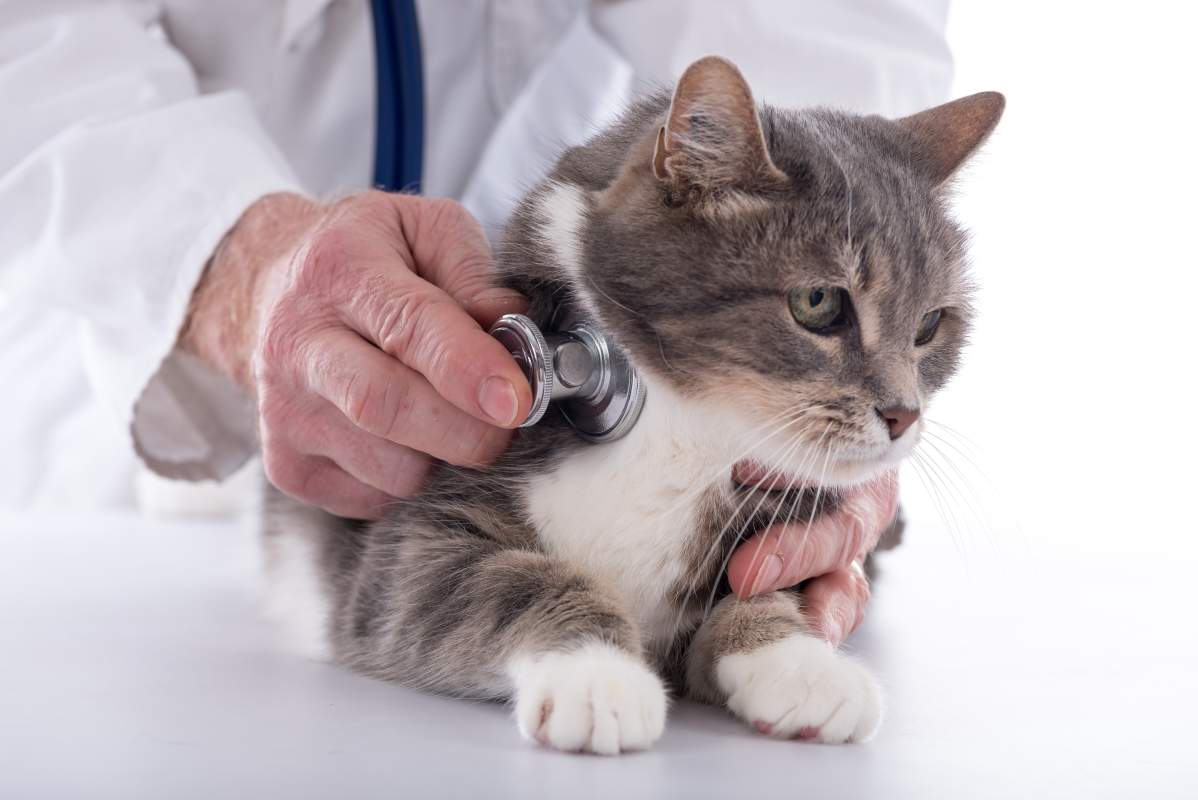
A senior dog that suddenly stops wanting walks may not simply be “slowing down.” Pain, heart disease, respiratory disease, obesity, vision changes, and other health conditions can all affect exercise tolerance. A veterinary evaluation is appropriate when reduced activity is new, progressive, or accompanied by discomfort.
Can indoor activities count as exercise?
Yes. Indoor exercise is especially useful during severe cold, icy conditions, storms, or very hot and humid weather. It may not replace every form of outdoor movement, but it can help maintain routine and reduce boredom.
Try scattering part of a dog’s regular meal for supervised scent work, practicing basic cues, hiding treats in easy-to-find locations, or using short sessions of tug and fetch in a clear area. Obstacle-style activities should be low and stable, with no forced jumping from furniture or slippery surfaces.
Mental exercise is not identical to aerobic exercise, but it can be tiring and behaviorally beneficial. Training a dog to touch a hand, wait on a mat, find a toy, or move through simple household routines builds focus and communication.
What should residents watch for during local weather changes?
Weather should influence when and how exercise happens. During warm weather, walk during cooler parts of the day, carry water, take breaks, and avoid hot pavement that can burn paw pads. Overweight dogs and short-nosed breeds have increased risk during warm-weather exertion. ([avma.org](https://avma.org/resources/pet-owners/petcare/warm-weather-pet-safety?utm_source=openai))
In winter, ice, packed snow, and road treatments can make walking uncomfortable or unsafe. Check paw pads after outdoor activity, avoid prolonged exposure when a dog is shivering or lifting its feet, and choose indoor activity when footing is poor. A dog’s tolerance for cold varies with coat, size, age, body condition, and health.
Do not assume a fenced yard provides enough exercise by itself. Many dogs spend most of their time standing, sniffing briefly, or waiting near a door. Purposeful walking, play, and training are still useful even when a yard is available.
How can you tell whether your dog is getting too little exercise?
Under-exercised dogs may show persistent pacing, barking, chewing, digging, jumping, attention-seeking, or difficulty relaxing. These behaviors do not always mean the dog needs more physical exertion; anxiety, pain, inadequate training, and lack of sleep can look similar.
Weight gain is another important clue. Exercise supports fitness, but food portions have a major effect on body condition. Increasing activity without adjusting calories may not produce weight loss, while suddenly increasing exercise in an overweight dog can strain joints.
A gradual approach is safer. Increase duration or intensity modestly, then observe the dog for the rest of that day and the following morning. Delayed stiffness, soreness, or reluctance to move means the increase was too much.
When is exercise unsafe?
Stop activity and seek veterinary guidance for collapse, severe weakness, trouble breathing, blue or pale gums, repeated vomiting, disorientation, or signs of heat illness. Exercise should also be modified for dogs with heart or respiratory disease, joint disease, neurologic problems, recent surgery, obesity, or a history of orthopedic injury. ([akc.org](https://www.akc.org/expert-advice/health/dog-fitness-plan/?utm_source=openai))
A veterinarian can help distinguish normal fatigue from pain or illness and can recommend an appropriate progression. The safest exercise plan is individualized: consistent enough to become a habit, varied enough to keep the dog engaged, and gentle enough that the dog remains comfortable afterward.